BSBO
  • HOME
  • ABOUT
    • Mission and Vision Statement
    • Equality and Diversity Policy
    • BSBO Board of Directors
    • BSBO Staff
    • New Brand Launch
    • Visit BSBO >
      • Directions
      • Building Improvements
      • Anna Macke Mikolajczyk Window On Wildlife
      • John Gallagher Memorial Birding Trail
    • eNews
    • BSBO Blogs >
      • BSBO CONSERVATION BLOG
      • BSBO Research Blog
      • BSBO Education and Outreach Blog
    • Contact Us
  • Support BSBO
    • Donate
    • Join or Renew
    • BSBO Swamp Shop
    • Education Center
    • Sponsor A Mist Net
    • Help BSBO while you shop
    • Birds and Business Alliance
    • Birder Tea Fundraiser
  • RESEARCH
    • Peer-Reviewed Publications
    • Songbird Research >
      • Migration Monitoring >
        • Migration Tracking
      • Prothonotary Warbler Research
      • Building Collision Study
      • Oak Openings
    • Morning Flight Count
    • Project SNOWstorm >
      • About Project SNOWstorm
      • Meet Buckeye
      • Meet Wolverine
    • Research Highlights >
      • Gray-Cheeked Thrush from Colombia, South America
      • BSBO Bird Bander's Blog
    • Past Research >
      • Colonial Wading Birds
      • Ohio Winter Bird Atlas
      • Shorebirds
    • Reports >
      • Annual Project Reports
      • Navarre Marsh Annual Banding and Survey Data
    • Research Volunteer Form
    • Research Volunteer Page
  • EDUCATION
    • Bird Migration Profiles
    • Family Activities >
      • Free Online Resources
    • Young Birders >
      • Ohio Young Birders Club
      • Youth Birding Camps
    • Teachers >
      • Songbird Banding and Migration Programs
      • Students Against Balloon Releases
    • Group Programs >
      • Presentations by Request
    • BSBO Bird Knowins
  • Conservation
    • Easy Ways for YOU to Support Conservation
    • Bird-safe / Birder-friendly Communities
    • Responsible Wind Energy
    • Position Statement on Feral and Free-Ranging Cats
    • Habitat Designations
  • EVENTS & ACTIVITIES
    • Birding with BSBO >
      • BSBO's Biggest Week In American Birding
      • Frequent Flyer Birding
      • Lake Erie Pelagics
    • Birds at Home
    • Highway Clean-up
    • Calendar of Events
    • ​Ohio Young Birders Conference
    • Fremont Christmas Bird Count
  • Birding Resources
    • Birding Tips
    • Responsible Owl Viewing
    • Regional Bird Checklist
    • Timing of Spring Migration
    • Timing of Fall Migration
    • Timing of Fall Shorebird Migration
    • Spring Migration Wave Theory
    • ABA Code of Birding Ethics
    • Birding Ohio
  • HOME
  • ABOUT
    • Mission and Vision Statement
    • Equality and Diversity Policy
    • BSBO Board of Directors
    • BSBO Staff
    • New Brand Launch
    • Visit BSBO >
      • Directions
      • Building Improvements
      • Anna Macke Mikolajczyk Window On Wildlife
      • John Gallagher Memorial Birding Trail
    • eNews
    • BSBO Blogs >
      • BSBO CONSERVATION BLOG
      • BSBO Research Blog
      • BSBO Education and Outreach Blog
    • Contact Us
  • Support BSBO
    • Donate
    • Join or Renew
    • BSBO Swamp Shop
    • Education Center
    • Sponsor A Mist Net
    • Help BSBO while you shop
    • Birds and Business Alliance
    • Birder Tea Fundraiser
  • RESEARCH
    • Peer-Reviewed Publications
    • Songbird Research >
      • Migration Monitoring >
        • Migration Tracking
      • Prothonotary Warbler Research
      • Building Collision Study
      • Oak Openings
    • Morning Flight Count
    • Project SNOWstorm >
      • About Project SNOWstorm
      • Meet Buckeye
      • Meet Wolverine
    • Research Highlights >
      • Gray-Cheeked Thrush from Colombia, South America
      • BSBO Bird Bander's Blog
    • Past Research >
      • Colonial Wading Birds
      • Ohio Winter Bird Atlas
      • Shorebirds
    • Reports >
      • Annual Project Reports
      • Navarre Marsh Annual Banding and Survey Data
    • Research Volunteer Form
    • Research Volunteer Page
  • EDUCATION
    • Bird Migration Profiles
    • Family Activities >
      • Free Online Resources
    • Young Birders >
      • Ohio Young Birders Club
      • Youth Birding Camps
    • Teachers >
      • Songbird Banding and Migration Programs
      • Students Against Balloon Releases
    • Group Programs >
      • Presentations by Request
    • BSBO Bird Knowins
  • Conservation
    • Easy Ways for YOU to Support Conservation
    • Bird-safe / Birder-friendly Communities
    • Responsible Wind Energy
    • Position Statement on Feral and Free-Ranging Cats
    • Habitat Designations
  • EVENTS & ACTIVITIES
    • Birding with BSBO >
      • BSBO's Biggest Week In American Birding
      • Frequent Flyer Birding
      • Lake Erie Pelagics
    • Birds at Home
    • Highway Clean-up
    • Calendar of Events
    • ​Ohio Young Birders Conference
    • Fremont Christmas Bird Count
  • Birding Resources
    • Birding Tips
    • Responsible Owl Viewing
    • Regional Bird Checklist
    • Timing of Spring Migration
    • Timing of Fall Migration
    • Timing of Fall Shorebird Migration
    • Spring Migration Wave Theory
    • ABA Code of Birding Ethics
    • Birding Ohio

BSBO Education & Outreach Blog 


Mystery Bird Disease: What we know, What to do

6/29/2021

7 Comments

 
Information provided by Chris Sheley, Wild Birds Unlimited, Columbus, Ohio and Ohio Department of Natural Resources 
Picture
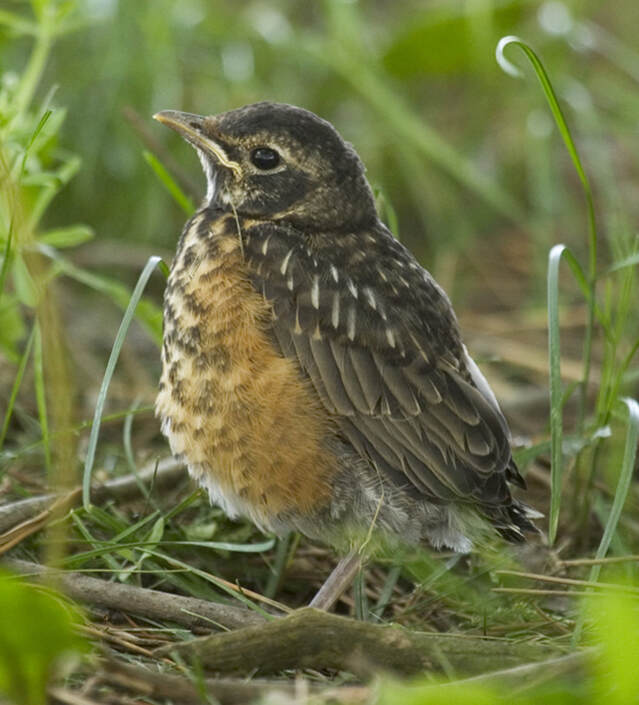
A healthy fledgling American Robin
We are seeing a number of articles popping up in social media feeds and local news outlets about a novel avian disease and bird mortality event. As of now, we don't know how prevalent this illness is in Ohio or the cause of it. We want you to be as informed as possible and know that we are tracking developments closely.

What we know so far
​
  • It was first reported in the Washington D.C. area.
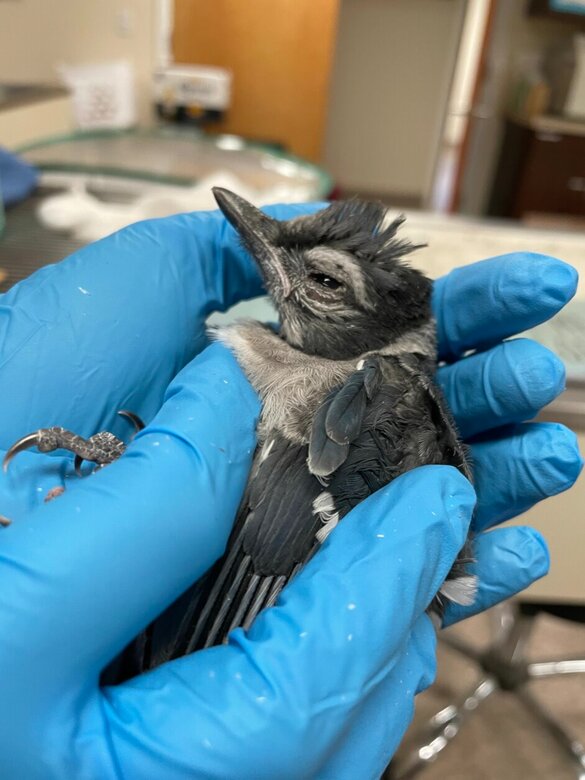
  • Symptoms include swollen eyes with a crusty discharge, balance and neuorological issues.
  • Birds with similar symptoms have since been discovered in Virginia, Maryland, West Virginia, Ohio, Kentucky, and Maine.
  • Reports state that fledglings are the most affected and Blue Jays, European Starlings and Common Grackles are the main species being affected. Some other species being affected in smaller numbers include the American Crow, American Robin, Northern Mockingbird, Carolina Wren, Northern Cardinal, Gray Catbird, and a Barred Owl. 
  • Birds with this unknown disease are being sent to diagnostic laboratories to investigate the cause of death. Those laboratories include the USGS National Wildlife Health Center, the University of Georgia Southeastern Cooperative Wildlife Disease Study, and the University of Pennsylvania Wildlife Futures Program.
  • The current tests performed have all been negative. We have no definitive cause as of yet. Testing is continuing and results could take weeks, months or longer; no one knows.

Picture
Fledgling Blue Jay afflicted with the disease. Photo from Blue Ridge Wildlife Center
Precautionary Measures

Until we have a better understanding of what is causing the illness and how it spreads we can take some precautionary measures. Below are some healthy bird feeding tips:
  • Focus on using only feeders that can be easily cleaned.
  • Clean feeders, birdbaths and all hardware regularly.
  • During known outbreaks cleaning as often as possible is best, but at minimum try to clean feeders weekly. 
  • Clear away any debris and feces (poop) from the feeder.
  • Scrub and wash feeder with warm, soapy water.
  • To disinfect your feeder, a 10% bleach or white vinegar solution works best (1 part vinegar/bleach to 9 parts water). If using bleach, be sure to rinse the feeder thoroughly and let the feeder dry completely in the sun to break up any remaining residue before filling.
  • Keep the area around your feeders clean and free of feces. Some diseases, such as salmonellosis, can be transmitted through a bird's fecal matter.
  • Periodically, move feeders to new locations in the yard to avoid the build up of waste materials and feces. Be sure to always keep the ground below and around the feeders clean. Rake and discard seed debris and bird droppings on a regular basis.
  • Limit the amount of seed provided in feeders to only the amount birds will consume in one or two days.
  • Give the birds more space. The addition of more feeders, spread far apart from one another, will reduce the crowding of birds that is often found around a single feeder. This will reduce the birds’ stress and the potential for disease transmission between healthy and sick birds.
  • Store all bird seed in rodent and insect proof containers to avoid contamination.
  • Always discard seed that has become wet.

What to do if you find a sick or dead bird 
  • Always use gloves while handling any sick, injured, or dead bird and always wash your hands with anti-bacterial soap after working with your feeders.
  • If removing the bird or taking it in to a certified rehabber, wear gloves to minimize contact and place the bird in a sealable plastic bag (if deceased). 
  • Take down feeders for 7 - 10 days to reduce the spread of disease. When there is a known contagion in the area, taking down your feeders temporarily can help slow its spread. 
  • If you find a sick or dead bird please contact the nearest licensed wildlife rehabilitator.
  • Please submit a report online to Ohio Department of Natural Resources using their Wildlife Species Sighting reporting system to help biologists track the spread of the disease. When reporting, select Bird - Diseased or Dead.
                                         Submit a Diseased/Dead Bird Report HERE >>>
  • You can also include photographs or videos with your report, as well as latitude and longitude coordinates to help wildlife biologists quickly verify the sighting. Remember to always view wildlife from a respectful distance for your safety as well as the safety of the animal. 
Thank you for doing your part to care for birds! 
7 Comments
Stefanie Hauck
6/30/2021 12:02:23 pm

I have taken all my feeders down. Have not noticed any affected birds so far. Stefanie Hauck, Columbus Audubon

Reply
Terie L Bradford link
7/29/2021 01:04:43 am

I have found a dead bird on my property

Reply
Ingrid link
8/30/2021 11:58:16 pm

Nice article! Thanks for sharing this informative post. Keep posting!

Reply
Ina link
8/31/2021 12:04:33 am

Thanks for sharing this useful information! Hope that you will continue with the kind of stuff you are doing.

Reply
kiswa link
6/10/2022 08:37:56 am

This article is very helpful for us

Reply
kiswa link
6/24/2022 12:33:34 pm

nice info

Reply
ilmu komunikasi link
10/26/2024 08:30:19 am

Birds with similar symptoms have since been discovered in Virginia, Maryland, West Virginia, Ohio, Kentucky, and Maine? Visit us <a href="https://bcomms.telkomuniversity.ac.id/strategi-digital-marketing-untuk-meningkatkan-penjualan-online/">Ilmu Komunikasi</a>

Reply


Leave a Reply.

    Authors

    BSBO Staff

    Archives

    November 2025
    August 2025
    July 2025
    July 2024
    February 2024
    November 2023
    October 2023
    September 2023
    August 2023
    August 2022
    August 2021
    June 2021
    April 2021
    March 2021
    January 2021
    October 2020

    Categories

    All

    RSS Feed

© 2025 www.bsbo.org 
All rights reserved

Birds Elevate Us

We are located at the entrance of the Magee Marsh Wildlife Area
| 13551 W. State Route 2  |  Oak Harbor, Ohio 43449  |  419.898.4070  |